
Call Us Today!
(949) 707-5125
Menu

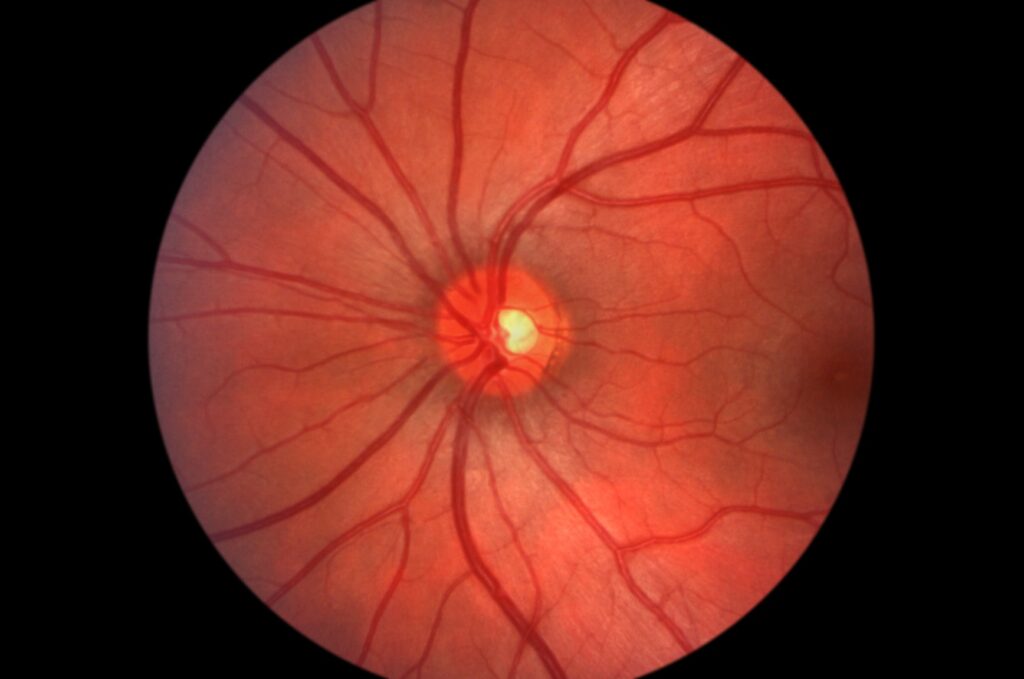
As a California Syfovre specialist will explain, Macular Degeneration, also known as Age-Related Macular Degeneration (AMD), is a medical condition typically seen in older individuals. It leads to a progressive loss of central vision, which is crucial for reading, driving, or recognizing faces. AMD does not cause total blindness but significantly impacts the quality of life due to the loss of central vision.
This degenerative disease primarily affects the macula, a small area in the retina’s center responsible for sharp, central vision. There are two types of AMD, namely Dry AMD and Wet AMD. Dry AMD is more common and is characterized by the gradual thinning of the macula, while Wet AMD is less common but more severe, resulting from abnormal blood vessels leaking fluid or blood in the macula. It’s critical to seek care from an eye doctor regularly and, in some cases, a specialist like those from Retina Associates of Orange County to ensure the eyes are healthy and receive necessary treatments when experiencing Macular Degeneration.
Syfovre is a type of FDA-approved injectable solution used to treat Macular Degeneration. Syfovre can help to slow the progression of lesion growth to help reduce vision loss and even blindness. While this is a new form of treatment for Age-Related Macular Degeneration, other forms of treatments are also available.
Treatments for AMD aim to slow the disease’s progression and manage symptoms rather than offer a complete cure. The treatment strategies differ based on the type of AMD. For dry AMD, lifestyle changes such as quitting smoking, adopting a healthy diet rich in fruits, vegetables, and certain fish, regular exercise, and potentially taking specific vitamin supplements are often recommended.
In the case of wet AMD, treatments tend to be more aggressive. They include intravitreal injections of anti-VEGF drugs, which help reduce the growth of new abnormal blood vessels. Laser therapies such as photodynamic therapy and laser coagulation can also be used to destroy abnormal blood vessels.
However, it’s essential to be aware that each situation is different, and it will be important to consult with a California Syfovre specialist to ensure that patients receive customized treatments to meet their specific needs. A professional can determine their patient’s candidacy for treatments such as Syfovre.
Choosing the right specialist for macular degeneration is crucial in managing the disease and maintaining your quality of life. Here are a few steps to help you find the right healthcare provider:
Finding a healthcare provider with experience in diagnosing and managing macular degeneration will significantly influence your treatment’s success and overall satisfaction with your care. Initiate the process by contacting our California Syfovre specialist from Retina Associates of Orange County as soon as possible.
A California Syfovre specialist knows there are options for the treatment of age-related macular degeneration (AMD). AMD is a progressive eye condition that affects the macula, the central part of the retina responsible for sharp, detailed vision. While there is no cure for AMD, several treatment options are available to slow its progression, manage symptoms, and preserve vision. The choice of treatment depends on the type and stage of AMD. The following are some of the types of treatment we offer at Retina Associates of Orange County.
For individuals with wet AMD, anti-vascular endothelial growth factor (anti-VEGF) injections are the standard treatment. These injections help inhibit the growth of abnormal blood vessels and reduce fluid leakage in the retina, thereby slowing down vision loss. Anti-VEGF injections are typically administered at regular intervals, determined by the California Syfovre specialist, to maintain their effectiveness.
Laser photocoagulation is a treatment option for specific cases of wet AMD. It involves using a focused laser beam to seal leaking blood vessels in the retina. This procedure can help slow the progression of vision loss but may not improve already damaged vision. Laser photocoagulation is less commonly used today due to the availability of more advanced treatments like anti-VEGF injections.
Photodynamic therapy is another treatment option for wet AMD. It involves injecting a light-sensitive medication into the bloodstream. The medication is then activated by shining a laser light on the abnormal blood vessels, leading to their closure. PDT is less commonly used now, as anti-VEGF injections have shown better outcomes. However, it may still be considered in specific cases.
Regular monitoring of AMD is crucial to detect any changes in vision or disease progression. Several at-home monitoring devices are available that allow individuals to track their vision independently. These devices typically involve self-administered tests to monitor visual acuity, distortion, or changes in central vision. At-home monitoring can help individuals and their doctors identify any potential worsening of the condition and make appropriate treatment decisions.
Certain vitamins and minerals have been found to be beneficial in reducing the risk of AMD progression, especially in individuals with intermediate to advanced stages of the disease. The Age-Related Eye Disease Study (AREDS) and AREDS2 have identified specific formulations of vitamins and minerals that can be used as dietary supplements. These formulations usually contain high doses of antioxidants, vitamins (such as vitamin C and vitamin E), and minerals (such as zinc and copper). It is important to consult with an eye care professional before starting any nutritional supplements.
The effectiveness of treatments for AMD varies among individuals, and not all treatments may be suitable for every case. The choice of treatment depends on factors such as the type of AMD, the stage of the disease, the individual’s overall health, and their preferences. Regular follow-up appointments with an ophthalmologist are essential to monitor the progression of the disease and evaluate the effectiveness of the chosen treatment.
If you or someone you know has been diagnosed with AMD, it is important to consult with a California Syfovre specialist who can provide personalized advice and guidance regarding the most appropriate treatment options for the specific circumstances. Contact Retina Associates of Orange County to schedule an initial consultation.
Macular Degeneration, specifically Age-Related Macular Degeneration (AMD), is a common eye disorder that can severely impact an individual’s central vision as a California Syfovre specialist can tell you. Learn five crucial things you should know about this condition, and then contact the Retina Associates of Orange County for help:
1. Understanding AMD
AMD affects the macula, the part of the retina responsible for sharp, central vision needed for tasks like reading, driving, and recognizing faces. It is predominantly age-related, usually affecting people over 60. The disease occurs in two types – Dry AMD, characterized by thinning of the macula, and Wet AMD, where new, abnormal blood vessels grow under the retina, leading to more severe vision loss. Dry AMD is more common but progresses slowly, while Wet AMD is less prevalent but can cause rapid vision loss.
2. Recognizing the Symptoms
AMD often starts without noticeable symptoms. Over time, however, people may experience a distortion or gradual loss of central vision, while peripheral vision remains unaffected. Symptoms can include blurriness, dark areas in the center of vision, and changes in color perception. Often, if one eye is affected, the other compensates for the vision loss, making symptoms less noticeable. If you notice your eyesight is not what it once was, you should schedule an appointment with a doctor as soon as possible.
3. Identifying Risk Factors
Although age is the most significant risk factor for AMD, others include genetics, smoking, hypertension, and obesity. Race also plays a role, with Caucasians being more likely to develop the disease than African-Americans or Hispanics/Latinos. Furthermore, some studies suggest a correlation between exposure to sunlight and AMD.
4. Diagnosis and Treatment
AMD is detected through a comprehensive eye exam that includes a visual acuity test, a dilated eye exam, and potentially an Amsler grid test to identify vision distortions. The diagnosis may be confirmed with imaging tests like Optical Coherence Tomography (OCT). While no cure exists for AMD, treatments can slow its progression and manage symptoms. For Dry AMD, lifestyle changes and nutritional supplements can help slow disease progression. For Wet AMD, treatments can include intravitreal injections, laser therapy, or photodynamic therapy. A California Syfovre specialist will be able to walk you through potential treatments and medications you can take.
5. Prevention and Living with AMD
While you can’t entirely prevent AMD, you can reduce risk factors. This can be achieved by maintaining a healthy lifestyle: regular exercise, balanced diet rich in green, leafy vegetables and fish, maintaining normal blood pressure and cholesterol levels, avoiding smoking, and protecting your eyes from excessive sunlight exposure. If you have AMD, low-vision aids, such as magnifying devices, large-print reading materials, and specific video games can help you cope with vision changes. Occupational therapy and vision rehabilitation can help preserve independence and quality of life.
Regular eye exams are crucial for early detection, and maintaining a healthy lifestyle can minimize risk factors. If diagnosed with AMD, remember that resources and support are available to help maintain an active, fulfilling life. Contact a California Syfovre specialist at Retina Associates of Orange County to schedule an appointment today.
Eye surgery, also known as ocular surgery or ophthalmic surgery, refers to a range of medical procedures performed on the eye to correct vision problems, treat eye conditions, and restore visual clarity. The primary objective of eye surgery is to enhance visual function, alleviate discomfort, and improve overall quality of life. This specialized field encompasses various techniques and approaches tailored to address different ocular issues.
A Syfovre specialist offers a comprehensive range of cutting-edge services tailored to optimize your eye health and visual clarity. From advanced diagnostic assessments to personalized treatment plans, our experts address various eye conditions including cataracts, refractive errors, glaucoma, and retinal disorders. With a focus on innovation and patient care, our Syfovre specialists ensure that you receive the highest quality of eye care to enhance your vision and overall well-being.
Eye surgeons, also known as ophthalmic surgeons, utilize a range of techniques to treat various eye conditions. For instance, cataract surgery involves removing the clouded natural lens and replacing it with an artificial intraocular lens (IOL) to restore clear vision. Refractive surgery techniques like LASIK and PRK reshape the cornea to correct myopia, hyperopia, and astigmatism, reducing the need for corrective eyewear. Glaucoma surgery focuses on reducing intraocular pressure to prevent further optic nerve damage. Retinal surgery can repair retinal detachments, tears, and other retinal disorders to maintain visual function.
After undergoing eye surgery, proper post-operative care is essential to ensure optimal healing and visual recovery. Firstly, follow all post-operative instructions provided by your surgeon, including medication schedules, use of eye drops, and recommended activities. It’s crucial to avoid rubbing your eyes and to protect them from irritants, such as dust and bright lights. Resting your eyes and avoiding strenuous activities can facilitate healing. Attend all follow-up appointments to monitor progress and address any concerns promptly.
Regular eye exams are essential for maintaining eye health and detecting potential issues early. However, specific signs warrant immediate attention from an eye doctor. If you experience sudden changes in vision, such as blurriness, double vision, or the appearance of flashing lights, it may indicate a serious condition that requires prompt evaluation. Eye pain, redness, swelling, or persistent irritation should also be addressed promptly, as they could signal infection, inflammation, or other complications.
Eye surgery plays a pivotal role in addressing a wide range of visual impairments and eye conditions, helping individuals regain clear vision and improved quality of life. Whether it’s cataracts, refractive errors, glaucoma, or retinal disorders, qualified eye surgeons employ diverse techniques to treat these conditions effectively. Following surgery, adhering to post-operative guidelines is essential for a smooth recovery and optimal visual outcome. However, prevention remains the best strategy, and regular eye exams are crucial for early detection and intervention. By seeking timely medical attention and embracing advancements in eye surgery, individuals can look forward to a future with clearer, healthier vision.
We are dedicated to delivering compassionate, expert care to patients facing sight-threatening retinal conditions.


