



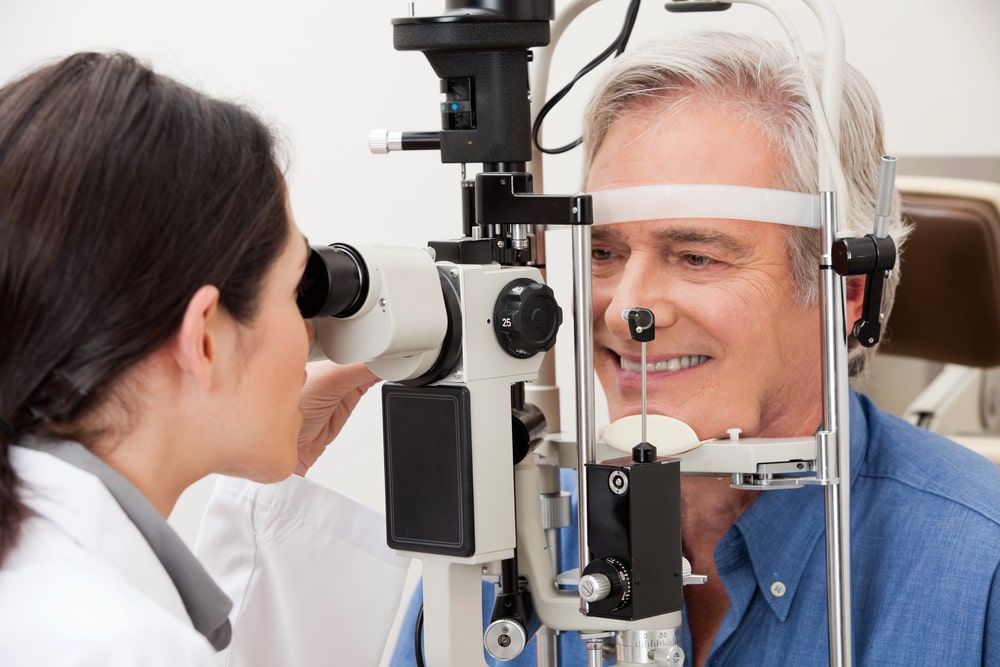
Your retina doesn’t stay the same throughout your life. It changes, adapts, and sometimes struggles as you get older. Some of these changes are normal, while others need attention from an ophthalmologist who can step in before you lose vision permanently.
What Happens To Your Retina Over Time
Most people start noticing differences in their 40s and 50s. The vitreous gel filling your eye begins to liquefy gradually. This creates floaters, those annoying little specks that drift across your field of vision when you’re reading or looking at something bright. Floaters are typically irritating, but are not entirely dangerous.
Your retinal cells also become less efficient at processing light as decades pass. You might find yourself turning on extra lamps when you read. Night driving becomes trickier. These adjustments are just part of the aging process, much like needing reading glasses or noticing your knees aren’t what they used to be.
When Normal Aging Crosses Into Problem Territory
Here’s where things get more serious. Certain retinal conditions show up more frequently as you age, and these can’t be ignored:
- Age-Related Macular Degeneration (AMD): This affects your central vision and becomes increasingly common after 50
- Posterior Vitreous Detachment (PVD): Usually happens after 60, when the vitreous gel mentioned earlier pulls away from your retina
- Retinal Tears or Detachment: More likely if you’ve experienced PVD or have other risk factors stacking up against you
- Diabetic Retinopathy: Your risk climbs with both age and the number of years you’ve been managing diabetes
Early detection changes everything. An Irvine eye surgeon can spot problems before they steal your vision for good.
Understanding Age-Related Macular Degeneration (AMD)
AMD targets your macula, which is the central part of your retina responsible for the sharp, detailed vision you need for reading, recognizing faces, and driving. The National Eye Institute reports it’s a leading cause of vision loss in Americans who are 60 and older. Dry AMD develops slowly, meaning your macula thins over time. Wet AMD is different and more aggressive. Abnormal blood vessels grow underneath your retina and leak fluid, causing rapid damage. Both types respond better to treatment when we catch them early.
Why Regular Eye Exams Matter More Than You Think
Many retinal conditions sneak up without warning. You won’t notice gradual changes until significant damage has already occurred. This is why dilated eye exams aren’t optional if you care about keeping your vision. At 40, you should start getting comprehensive eye exams every two to four years. Once you hit 65, annual exams become important. If you’re dealing with diabetes, high blood pressure, or you have relatives who’ve had eye disease, you’ll need more frequent check-ins. Retina Associates of Orange County uses advanced imaging technology that can detect tiny changes in your retina long before they affect your daily life. Optical coherence tomography, or OCT, creates detailed cross-sectional images of your retina. It reveals problems that are completely invisible during a standard exam.
Other Factors That Affect Your Retinal Health
You can’t stop aging, but there are other factors under your control. Smoking dramatically increases your risk of AMD and other eye diseases. High blood pressure and elevated cholesterol damage the delicate blood vessels threading through your retina. Too much UV exposure accumulated over decades contributes to various retinal problems you’d rather avoid. Family history plays a role too. If your parents or siblings developed retinal conditions, your risk is higher. You should start monitoring earlier than someone without that genetic baggage.
Simple Ways To Protect Your Retina
Eating leafy greens, fish rich in omega-3 fatty acids, and colorful fruits and vegetables gives your retina the nutrients it needs to function well. Wearing UV-protective sunglasses isn’t just about looking cool. It shields your eyes from harmful rays that accumulate damage over time.
Managing chronic conditions like diabetes and hypertension prevents damage to those tiny retinal blood vessels that keep everything working properly. And don’t ignore new symptoms. Sudden flashes of light, a shower of new floaters, or a shadow creeping into your peripheral vision could mean retinal detachment. These symptoms need immediate evaluation by an Irvine eye surgeon.
Protecting Your Vision For The Long Term
Aging affects everything, including the thin layer of tissue at the back of your eye. While some changes are inevitable, many serious conditions can be prevented or treated successfully when you catch them early. Regular comprehensive eye exams give you the best shot at maintaining clear vision as you age. If you’ve noticed changes in your vision or haven’t had a dilated eye exam in over a year, it’s time to schedule an appointment with a retina ophthalmologist and discuss your individual risk factors.


