

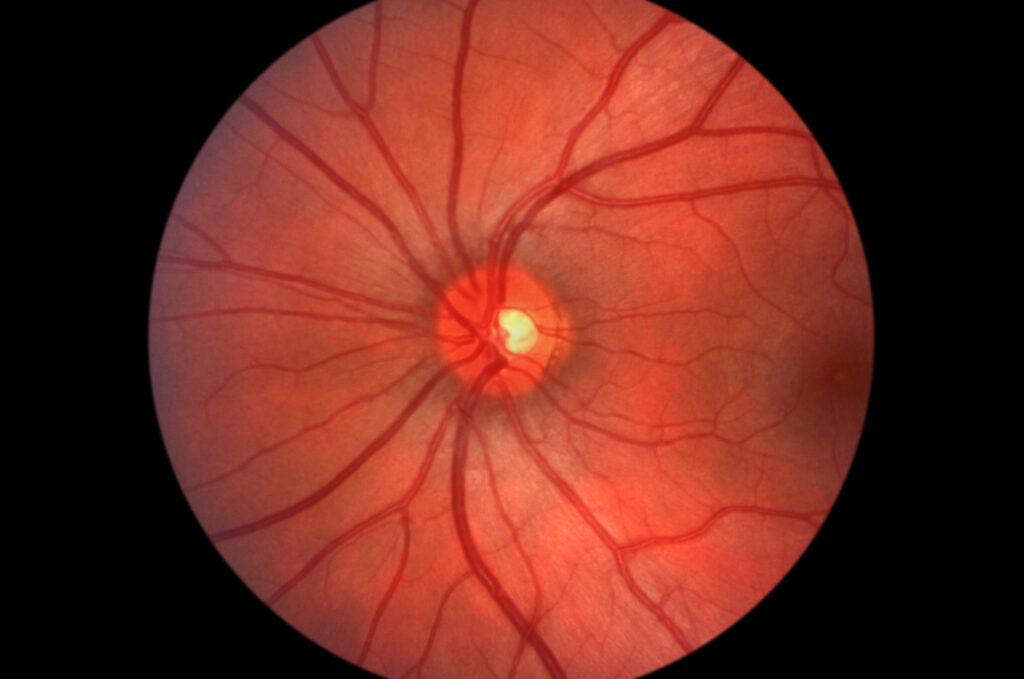
What is the Retina?
- If the eye were a camera, the retina would be the film of that camera
- The retina is a thin sheet of nerve cells that lines the inside back wall of the eye
- Light travels through the eye and ultimately reaches photoreceptors, the light-sensitive cells in the retina
- The signal from the photoreceptors then travel along the optic nerve to the brain, where the signals are interpreted as vision
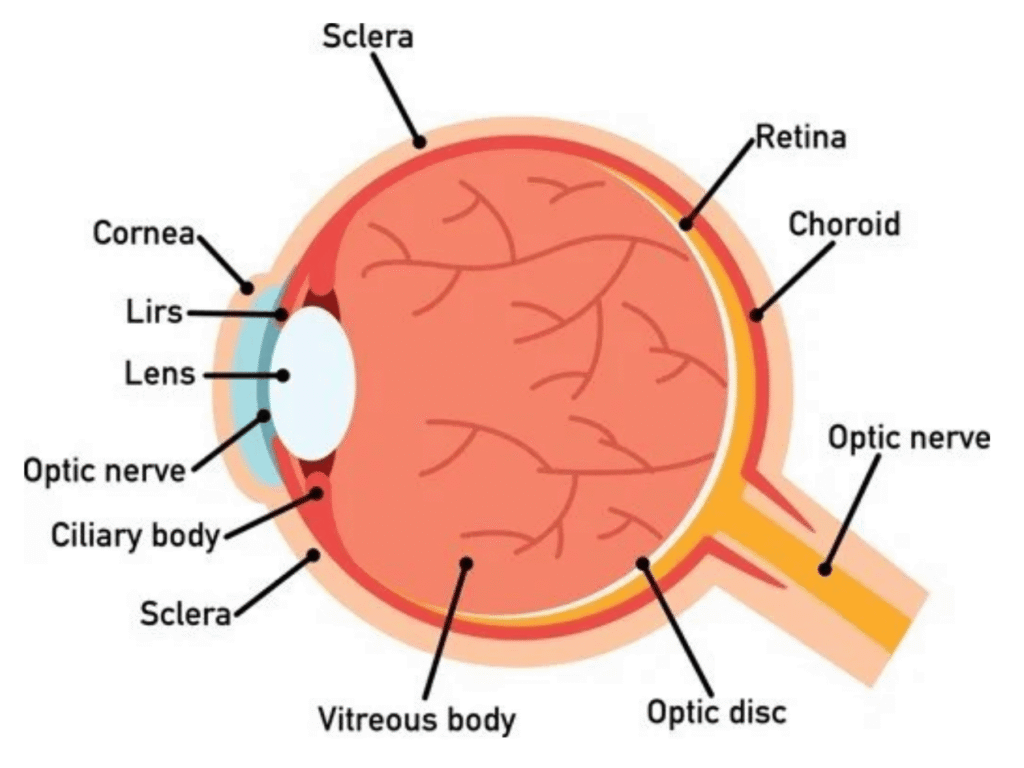
What is a Retinal Vein Occlusion?
- Arteries supply blood TO the retina
- Veins drain blood FROM the retina
- A blockage in a retinal vein results in a retinal vein occlusion
- Central retinal vein occlusion involves blockage of the central retinal vein (the main vein draining blood from the retina) that drains blood from the entire retina
- Branch retinal vein occlusion involves blockage of any one of the smaller veins draining a portion of the retina
- A retinal vein occlusion is not the same thing as a stroke
What Causes Retinal Vein Occlusion?
Risk factors for retinal vein occlusion include:
- age
- elevated blood pressure
- elevated or abnormal cholesterol levels
- elevated blood glucose levels or diabetes
- glaucoma or elevated eye pressure
- conditions that predispose an individual to blood clots
Thus all patients with retinal vein occlusion should see the primary care provider to optimize glucose, cholesterol, and blood pressure, and some patients may require additional testing.
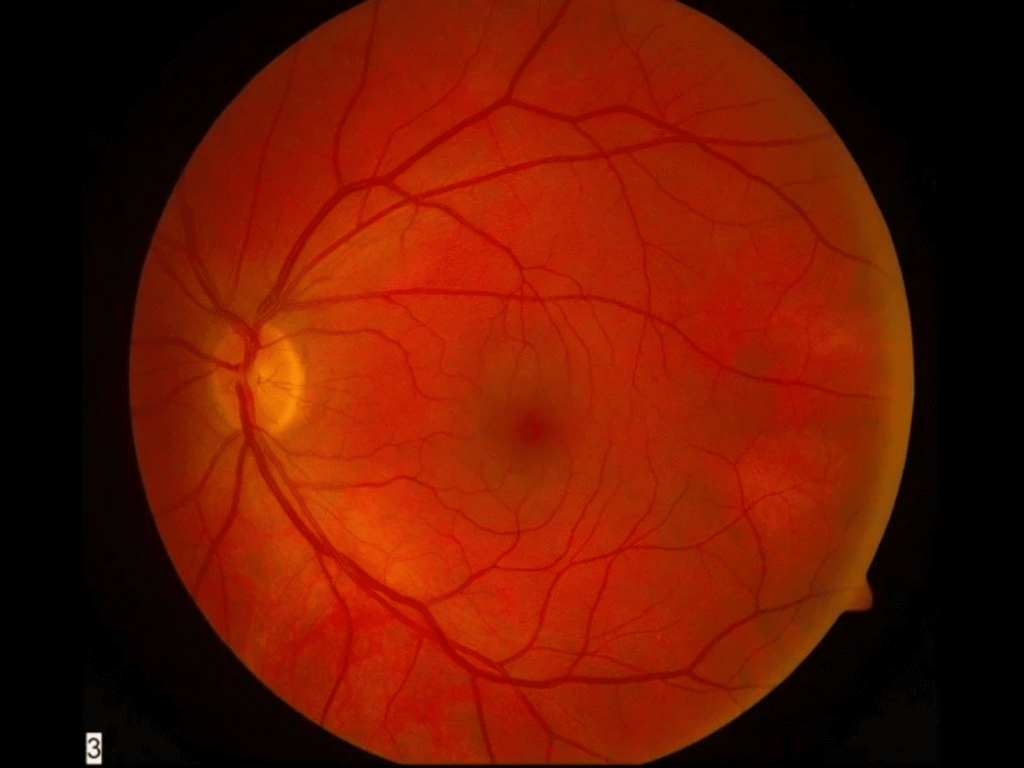
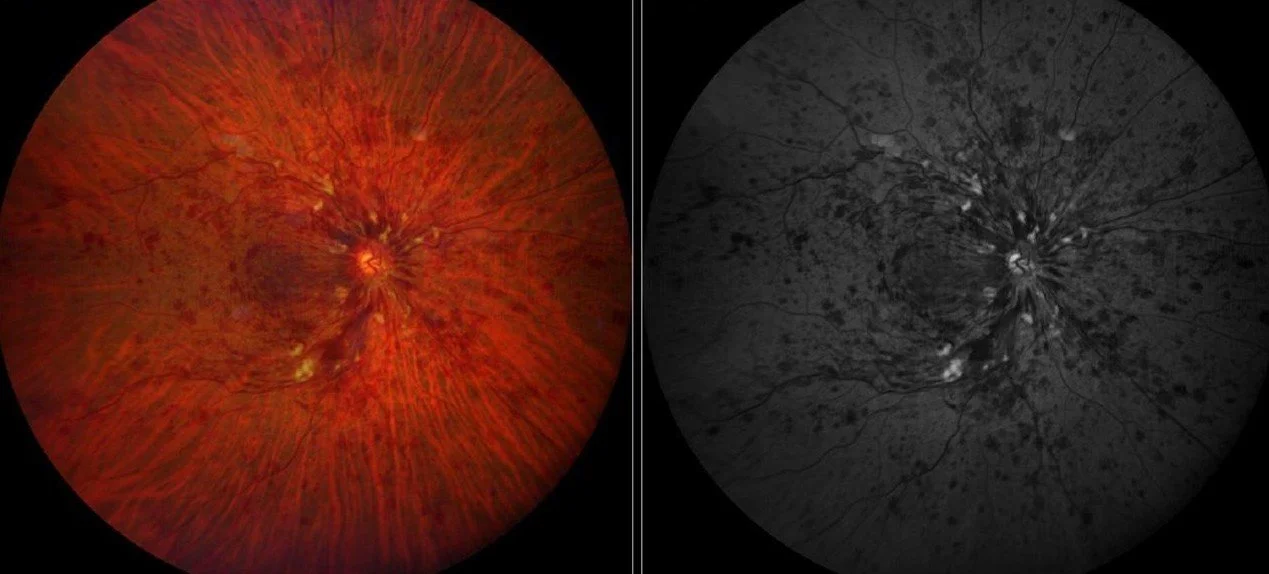
How Might a Retinal Vein Occlusion Affect My Vision?
- Disruption or loss of blood flow to the retina
- There is no treatment for this aspect of retinal vein occlusion
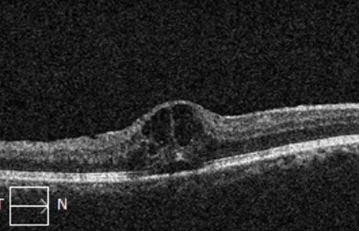
- Cystoid macular edema (CME)
- Edema means “swelling”
- Blood vessels damaged from the vein occlusion are leaky, and the fluid that leaks from these vessels accumulate in the retina
- The macula is the centermost part of the retina, which is responsible for much of high quality vision
- Swelling (edema) in the retina results in vision loss
- There are very effective treatments for macular edema from retinal vein occlusion
- Neovascularization
- When the eye loses blood flow, it may respond by creating abnormal “new blood vessels” (neovascularization)
- Neovascular blood vessels can impact the vision by:
- Vitreous hemorrhage
- Bleeding into the eye
- Instead of being filled with clear fluid through which one can see, the back of the eye is filled with blood, causing vision loss
- Tractional retinal detachment
- The new blood vessels pull on the retina (create “traction”) and pull the retina off the eye wall (“retinal detachment”)
- The photoreceptors in detached retina cannot see and undergo damage, resulting in severe vision loss, sometimes irreversible vision loss
- Glaucoma
- If the abnormal blood vessels form in in the front of the eye, they can result in glaucoma, which involves elevated eye pressure and if untreated, vision loss
- Vitreous hemorrhage
What Kind of Tests Will Be Performed to Evaluate a Retinal Vein Occlusion?
- Dilated retinal examination
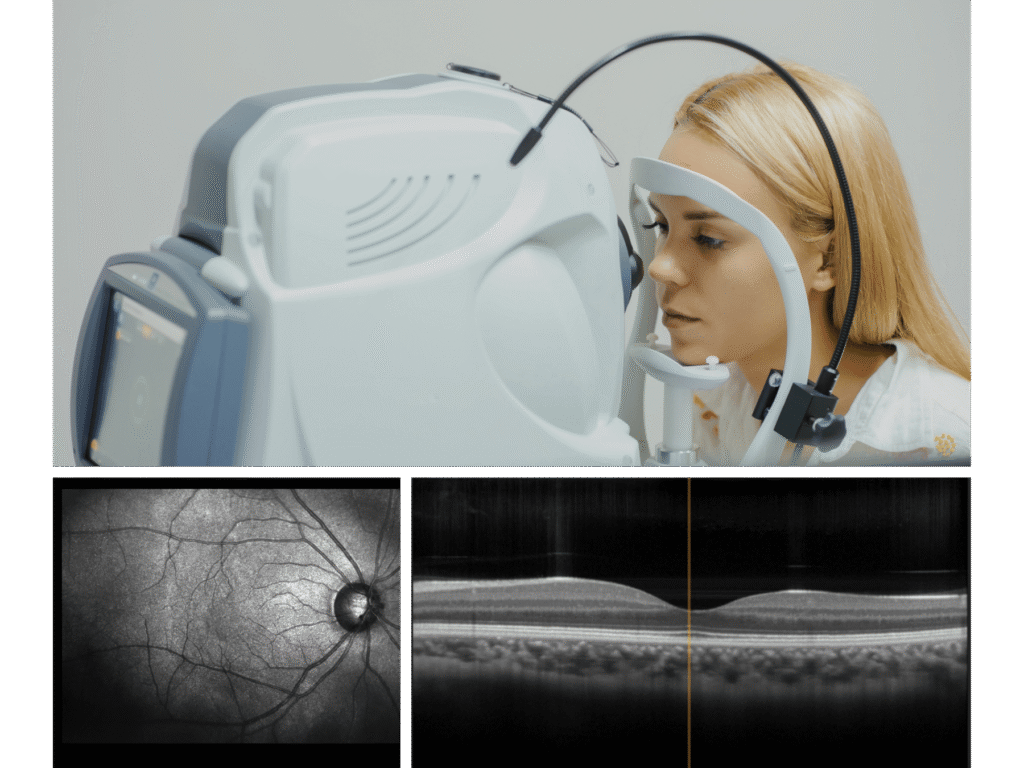
- Optical coherence tomography (a scan to look for swelling in the retina (DME))
In some patients:
- Fluorescein angiography
- A dye is injected into the arm, from which to travels through the blood to the eye.
- Photographs are taken of the eye which map out all the blood vessels and blood flow in the retina
- This test identifies areas of blood flow loss as well as areas of new blood vessel grown (neovascularization)
- B-scan ultrasound
- Painless procedure whereby an ultrasound is performed over the closed eyelid to evaluate the retinal anatomy in eyes where hemorrhage prevents visualization of retinal details through the eye exam alone
How is Macular Edema From a Retinal Vein Occlusion Treated?
- Intravitreal injections
- These medications are injected into the eye after drops are given to numb the eye
- Injections are given in the office. The drops are given over 5-10 minutes to clean and numb the eye, and the injection itself takes only seconds
- There are 2 types of medications that can be used
- Anti-vascular endothelial growth factor (anti-VEGF) injections
- Names: Avastin (bevacizumab), Lucentis (ranibizumab), Eylea (aflibercept), Vabysmo (faricimab), and others.
- A substance called VEGF causes the retinal blood vessels to be leaky and in turm cause edema. These drugs block VEGF. Vabysmo works by blocking not only VEGF, but also Ang2, another molecule that is involved in diabetic retinopathy.
- Steroids
- Names: Triessence (triamcinolone), Ozurdex implant (dexamethasone, lasts several months)
- Inflammation contributes to leaky blood vessels that cause edema. Steroids reduce inflammation.
- Anti-vascular endothelial growth factor (anti-VEGF) injections
How is Neovascularization From Retinal Vein Occlusion Treated?
- Laser (in the office)
- If there is edema present, the injections used to treat the edema can also improve the neovascularization
- If there is vitreous hemorrhage or tractional retinal detachment, surgery may be necessary (see below)
How is Vitreous Hemorrhage From Retinal Vein Occlusion Treated?
- Observation / medical management
- Vitreous hemorrhage may resolve on its own, and thus may be monitored
- After the hemorrhage resolves, laser may be performed (laser cannot be performed through hemorrhage)
- If the hemorrhage fails to clear or other complications are noted, surgery may be indicated
- Surgery
- Pars plana vitrectomy surgery
- The hemorrhage is removed, the traction from the new blood vessel (neovascularization) membranes is relieved, and laser is applied to allow the neovascularization to regress
- An injection of anti-VEGF medication may be given prior to surgery to reduce intraoperative and postoperative complications risk