

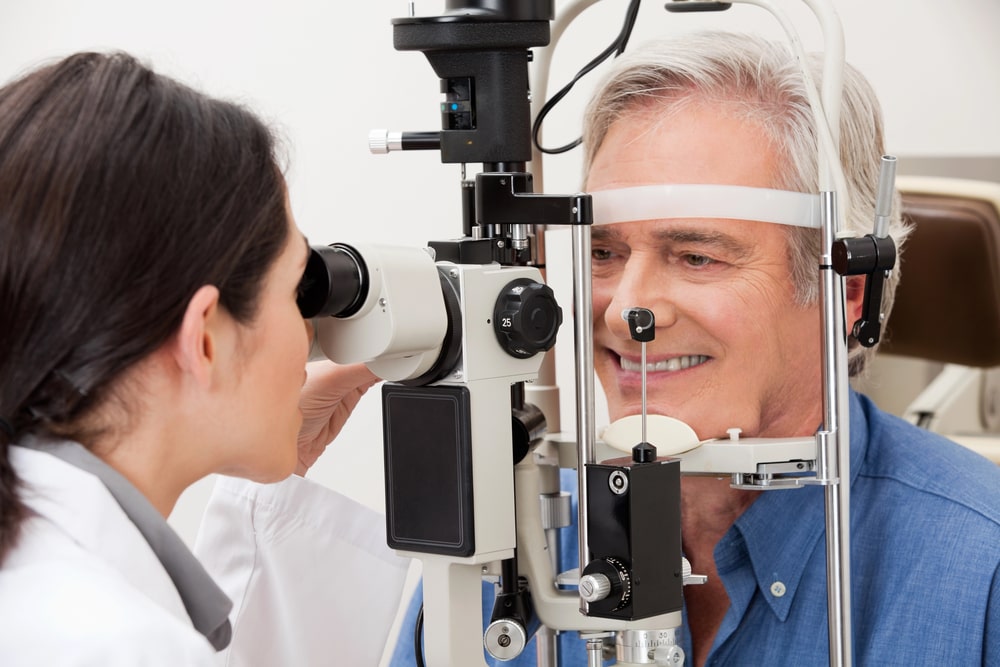
A diagnosis of macular degeneration changes things. That’s true. But it doesn’t mean you stop reading, cooking, recognizing faces, or doing the things that matter to you. Central vision loss creates real challenges, and those challenges deserve real solutions. Low vision aids and community resources exist specifically for this, and more patients than you might expect are using them to live well. This isn’t about settling. It’s about adapting strategically so that vision loss takes as little from your daily life as possible.
What Low Vision Actually Means
Low vision refers to vision impairment that can’t be fully corrected with standard glasses, contact lenses, or surgery. For patients with age-related macular degeneration, the loss tends to affect the center of the visual field while peripheral vision stays relatively intact. That matters because many low vision tools are designed around exactly that pattern, helping you use your remaining side vision more effectively. Retina Associates of Orange County works with macular degeneration patients across all stages of the condition, from early monitoring to more advanced vision changes.
Optical Aids Worth Knowing About
Optical low vision devices have been around for decades and remain highly effective for many patients. They don’t require a learning curve the way technology sometimes does. Common optical aids include:
- Magnifying glasses and stand magnifiers for reading labels, books, and mail
- Telescopic lenses mounted on glasses frames for distance tasks like watching television
- High-power reading glasses designed specifically for close-up work
- Absorptive lenses that reduce glare and improve contrast in bright conditions
A low-vision optometrist can fit you with the right combination based on your specific pattern of vision loss. Not every device works for every patient, and getting properly evaluated makes a real difference in what you actually end up using.
Technology That Has Changed the Picture
Digital tools have expanded the options significantly over the past several years. Many are built into devices patients already own.
Smartphones and tablets offer adjustable text size, high-contrast display modes, and screen readers that read content aloud. Applications like voice-activated assistants can handle tasks that once required reading small print. Dedicated electronic magnifiers, sometimes called video magnifiers or CCTVs, project magnified images of text or objects onto a screen, often with adjustable contrast settings that make reading much easier than any optical magnifier alone.
For patients managing Santa Ana macular degeneration, these tools can make everyday tasks significantly more manageable without requiring major lifestyle changes.
Support Resources for Patients and Families
You don’t have to figure this out on your own. Several established organizations provide free resources, training, and guidance specifically for people with macular degeneration and low vision.
The American Macular Degeneration Foundation offers educational materials, a support network, and guidance on finding local low vision services. The American Foundation for the Blind maintains a directory of low vision resources and rehabilitation services by state. Many counties in California also offer vision rehabilitation programs through their social services departments, connecting patients with occupational therapists trained in low vision adaptation.
These aren’t last resorts. Patients who engage with low vision rehabilitation early in their diagnosis tend to adapt more successfully and maintain independence longer.
Lighting and Home Adjustments That Help
Simple environmental changes can make a meaningful difference. Bright, focused task lighting reduces the strain of trying to read or work in dim conditions. High-contrast color schemes in the home, like dark dishes on light tablecloths or bold markers on appliance dials, help patients use their peripheral vision more effectively. Large-print books, bold-lined writing paper, and talking clocks and watches are low-cost tools that add up quickly.
When to Talk to Your Care Team
If you’re noticing that daily tasks are getting harder, that’s the right time to bring it up. Managing Santa Ana macular degeneration isn’t just about treatment visits. It’s about maintaining your quality of life throughout the process. The team at Retina Associates of Orange County can connect you with low vision resources, discuss where you are in the progression of your condition, and help you plan the next steps. Reach out to schedule an appointment and talk through what’s changed.


