
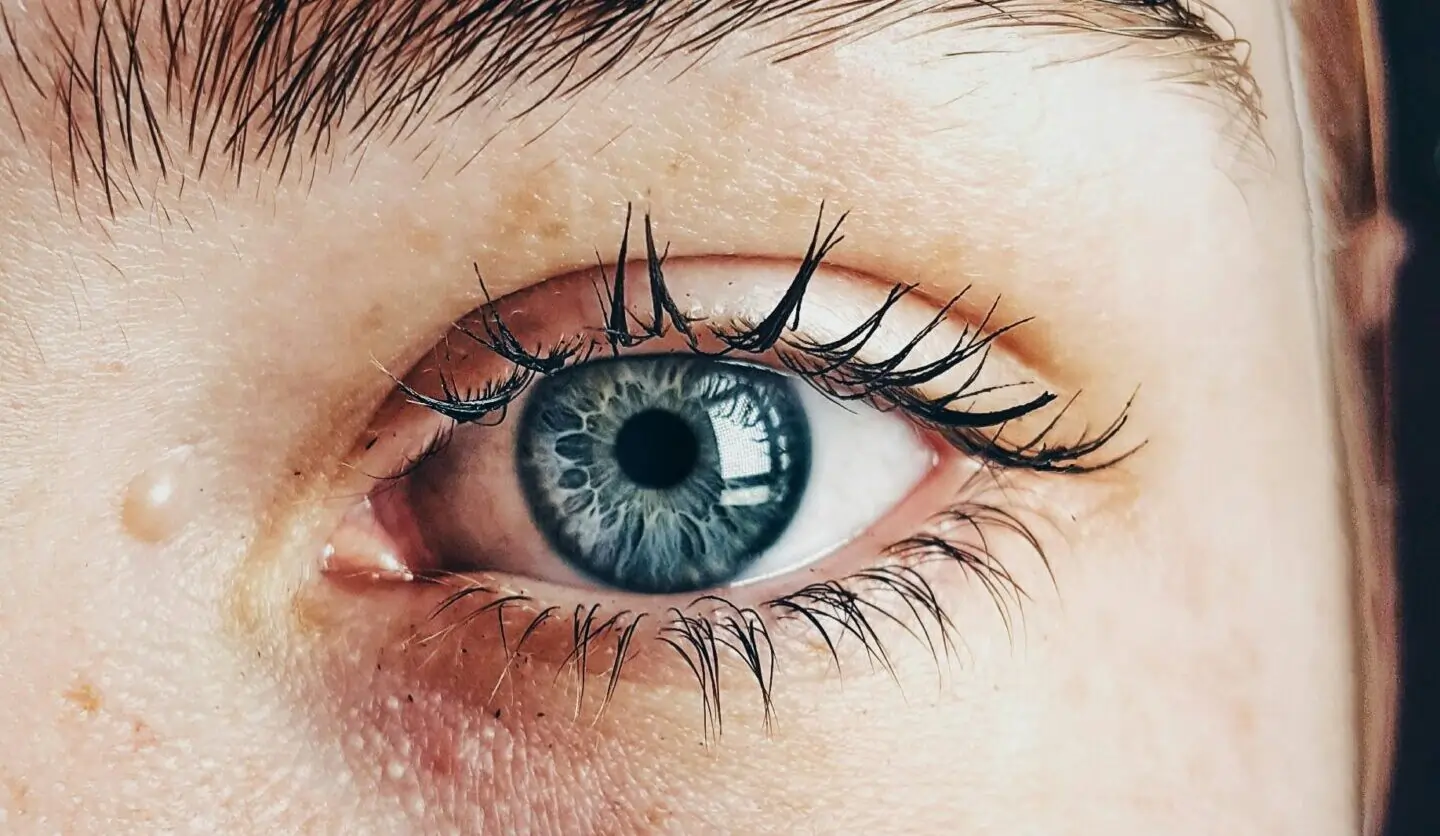
“Pinkeye” is a term often used to describe the inflammation of the conjunctiva of the eye. This is also called conjunctivitis. The conjunctiva is the clear tissue that lines the inside of the eyelid as well as the white part of the eye. There are many causes of “pinkeye” or conjunctivitis and allergies are just one cause.
When allergies cause the conjunctivitis, it is referred by to as allergic conjunctivitis. Other causes of conjunctivitis include infections, trauma, a foreign body in the eye, subconjunctival hemorrhage (bleeding), chemicals, certain autoimmune diseases, and other irritants such as smoke. Infectious causes are usually due to either viruses or bacteria. Most of the causes of conjunctivitis other than allergies and autoimmune diseases usually affect only one eye.
When allergies cause conjunctivitis, both eyes are usually affected. Note that allergies can affect many other parts of the body including the skin, nose, throat, ears, sinuses, and lungs. Most people with allergic conjunctivitis also experience allergic rhinitis (i.e., hay fever). Allergic rhinitis symptoms may include some or all of the following:
- Sneezing
- Runny nose
- Nasal congestion
- Postnasal drip
- Itchy nose
- Sinus pressure
- Headaches
- Fatigue
When allergens affect the lungs, asthma can occur and individuals will complain of wheezing, shortness of breath, coughing, and/or chest tightness. People that have a history of allergic rhinitis, asthma, eczema, or other allergic conditions are more likely to have allergic conjunctivitis. We will focus on allergies of the eyes which is very irritating and annoying to individuals that suffer from eye allergies.
Some of the common symptoms of eye allergies include:
- Itchiness
- Redness
- Watery eyes
- Puffiness of the eyelids
- Thick crusty discharge
- The feeling that one’s eyes are stuck together.
Allergic conjunctivitis and allergic rhinitis are primarily due to an allergic reaction to specific allergens such as pollens, molds, pets, and dust mites which affect the eyes and nose causing symptoms.
Allergic conjunctivitis is diagnosed fairly easily by a board certified allergist or ophthalmologist. Allergists commonly skin test individuals to different allergens that they are likely to come in contact with in order to diagnose this condition. The positive skin tests, in conjunction with a thorough history and physical examination, will usually be enough of a work up in order to make a definitive diagnosis of allergic conjunctivitis. Occasionally, blood tests are used instead of skin tests in selected patients, depending on the circumstance of the individual. Once a diagnosis is confirmed, the patient is treated.
Allergic conjunctivitis can be treated by a Washington DC allergist in a multitude of ways. Prevention is the most desirable, meaning that the individual is to avoid the offending allergen such as cat, dog, tree pollen, etc. This is not always possible, but there are many things that can be done by the patient to reduce his/her exposure to these allergens.
In addition to prevention, treatment can include oral antihistamines, eye drops, and even nasal sprays to treat the eye allergies. It often may take several trials of different medications or combinations of medications to get the desired relief from the irritating eye symptoms. In patients that have severe eye symptoms or more of a chronic eye problem due to allergies, allergy shots (i.e., allergy immunotherapy, allergy desensitization, allergy injections), are very effective in preventing the symptoms of allergic conjunctivitis. They also can help treat allergic rhinitis and asthma in most instances. Allergy shots have been used for more than 100 years and are effective in the treatment of allergic conjunctivitis, allergic rhinitis, and/or allergic asthma in 80-85% of the cases. They can be give to people of all ages from little children to the elderly.
If you suffer from “pinkeye” or “pinkeyes,” you may make an appointment with your ophthalmologist and/or allergist, so that they can determine its cause and treat you promptly and appropriately.
Thanks to our friend and blog author, Michael R. Kletz of Black & Kletz Allergy, for his insight into the symptoms, causes, and treatments of eye allergies.
Posted on GoogleTrustindex verifies that the original source of the review is Google. Cannot say enough about the level of expertise and competency of Dr Hwang and his staff. He saved my vision by repairing a detached retina in my right eye and has been providing incredible care in treating my macular condition and retaining my vision over the years. He is caring and compassionate with a true love for his practice. I am blessed to be one of his patients!Posted on GoogleTrustindex verifies that the original source of the review is Google. Check up on visual issue went perfectly. Great staff as well.Posted on GoogleTrustindex verifies that the original source of the review is Google. Professional and thoughtful doctor, caring patient as a family member.Posted on GoogleTrustindex verifies that the original source of the review is Google. Great service. Very satisfied.Posted on GoogleTrustindex verifies that the original source of the review is Google. I have tremendous anxiety prior to my intraocular injections to manage my wet AMD, but Dr. Hwang makes the process as quick and painless as possible. I wouldn't trust my eye health to anyone else. He's the best.Posted on GoogleTrustindex verifies that the original source of the review is Google. The receptionists are very courteous. Appointments are always on time. Dr. Hwang answers all questions and explains things to you.Posted on GoogleTrustindex verifies that the original source of the review is Google. Always good service. Dr. Gupta is first rate.