
Call Us Today!
(949) 707-5125
Menu

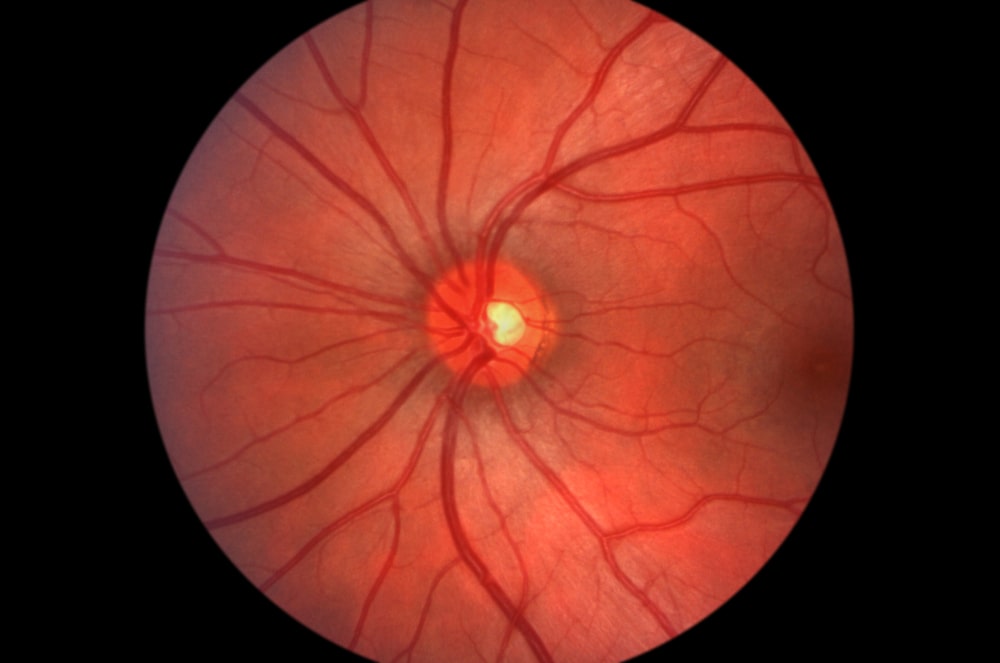
Fellowship-trained California retina surgeons with more than 23 years treating retinal tears and detachments across Orange County and Southern California.
If you’ve suddenly noticed a shower of new floaters, flashes of light in your peripheral vision, or what looks like a curtain closing over part of your sight, you may be experiencing a retinal tear or detachment. A retinal tear left untreated can progress to a full detachment within hours or days, and a detachment that isn’t repaired promptly risks permanent vision loss.
Retina Associates of Orange County provides emergency and scheduled surgical care for retinal detachment and tears in California. Our surgeons are fellowship-trained, board-certified retina physicians who operate on these conditions regularly. We maintain offices in Laguna Hills, CA, Newport Beach, and Santa Ana, and we treat patients from Huntington Beach, Irvine, and communities across Southern California and beyond.
General ophthalmologists are trained to diagnose and manage a broad spectrum of eye conditions. But retinal tears and detachments involve the most delicate tissue in the eye, and the surgical repair of these conditions requires fellowship-level training in vitreoretinal surgery. A retina surgeon has spent years beyond residency learning how to operate inside the eye at a microscopic level, working with instruments that are fractions of a millimeter in diameter.
At our California retina practice, every physician on staff completed a vitreoretinal surgery fellowship. That level of specialization matters most when timing is critical and the margin for error is small. Patients who are referred to us with an acute retinal tear or detachment are evaluated promptly, often the same day.
Retinal tears and detachments are among the most urgent conditions we treat, but our practice manages the full scope of vitreoretinal disease. Many of these conditions are related. A patient with diabetic retinopathy, for instance, can develop tractional retinal detachment. A patient being monitored for an epiretinal membrane may also have lattice degeneration that puts them at risk for a tear.
Retinal detachment repair is not a procedure that benefits from occasional practice. Our surgeons perform vitrectomies, scleral buckles, and laser procedures. Dr. Mrinali Gupta treats patients at our Laguna Hills and Newport Beach offices and has built a reputation for attentive, thorough care. Dr. John C. Hwang brings meticulous surgical technique honed through years of fellowship training and clinical practice.
Dr. Desmond Edward McGuire trained at the Sackler School of Medicine in Tel-Aviv, completed his internship at Columbia University’s St. Luke’s-Roosevelt Hospital in New York, and finished his vitreoretinal fellowship at the Shiley Eye Center at UC San Diego. He holds board certification from the American Board of Ophthalmology and is a member of the American Society of Retina Specialists, the American Academy of Ophthalmology, and the Orange County Medical Association.
Our offices use optical coherence tomography, widefield retinal imaging, and fluorescein angiography to identify tears and measure the extent of detachment before surgery. Accurate imaging changes surgical planning. A small peripheral tear with no subretinal fluid calls for a different approach than a macula-off detachment with proliferative vitreoretinopathy.
We also participate in the Retina Associates Research Institute, giving our patients potential access to clinical trials involving new surgical techniques and pharmacologic therapies for retinal disease.
The retina is a thin, light-sensitive layer of tissue that lines the back wall of the eye. According to the National Eye Institute, retinal detachment occurs when this tissue separates from its normal position, cutting off its blood supply and causing progressive vision loss if not treated.
There are three types of retinal detachment:
Retinal tears often precede rhegmatogenous detachment. The vitreous gel shrinks with age and can tug on the retina as it separates. If that traction creates a tear, fluid can pass through it and lift the retina. Not every vitreous detachment causes a tear, but every acute onset of floaters and flashes deserves a same-day or next-day dilated examination.
Surgical options for retinal detachment include pneumatic retinopexy, scleral buckling, and pars plana vitrectomy. The NEI notes that treatment is successful for approximately 9 out of 10 patients, though some require more than one procedure. Laser photocoagulation and cryotherapy are used to seal retinal tears before they progress to full detachments.
Individual recovery timelines depend on factors like the extent of detachment, whether the macula was involved, and the presence of other retinal conditions.
If you are presenting as an emergency, call our office first so we can prepare for your arrival and minimize wait time.
Patients in California can verify physician credentials and access reliable eye health information through several public resources:
These are informational resources and should not replace an in-person evaluation with a qualified retina surgeon.
A retinal tear or detachment requires prompt evaluation. If you are experiencing sudden floaters, flashes, or a shadow in any part of your visual field, do not wait for symptoms to resolve on their own. Early treatment offers the best chance of preserving your vision.
Our retina surgeons see patients at offices in Laguna Hills, Newport Beach, CA, and Santa Ana. We accept most major insurance plans and will verify your benefits before your visit.
Contact us to schedule an urgent or routine consultation with a board-certified retina surgeon in California.
We are dedicated to delivering compassionate, expert care to patients facing sight-threatening retinal conditions.


